
Originally, plastic bags were created to help save the planet
Originally, plastic bags were created to help save the planet
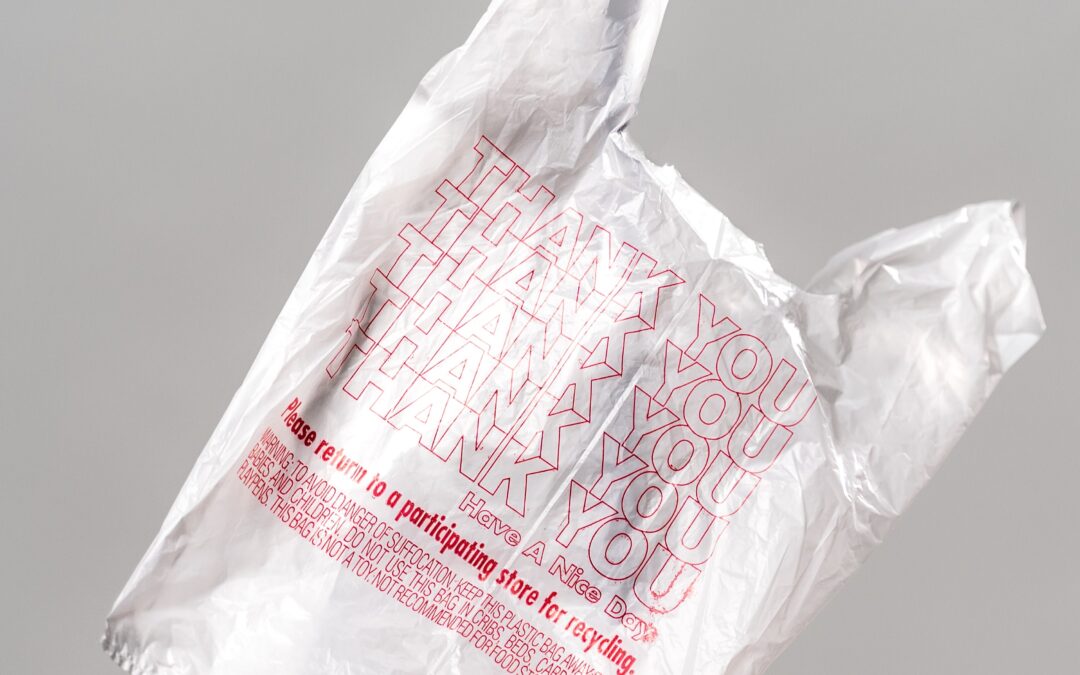
Ever wondered if Plastic is so harmful and is bringing mayhem to this world, why did we create it in the first place? Plastic bags are ubiquitous, and most people don’t question it. Why? Less than 50 years ago plastic bags were a rarity. Now, it seems like you can’t buy anything without it being carried out in a branded plastic bag. If we can understand how we got ourselves here, maybe we can find a way to get ourselves out. Plastic bags were invented to save the planet, according to the son of Swedish engineer Sten Gustaf Thulin who created them in 1959. The bags were developed as an alternative to paper bags, which were considered bad for the environment because they resulted in forests being chopped down. They were significantly stronger than paper bags, which meant in theory — they could be used repeatedly. Many Environment Agencies suggest that a paper bag must be used at least three times to be as “green” as a plastic bag that is being recycled. This is because producing paper bags requires more energy and water and they’re also heavier than plastic bags, which makes them more expensive to transport. As for cotton bags — they need to be used at least 131 times to be as environmentally friendly as plastic bags.
The Problem We Didn’t See Coming
The problem with plastic that wasn’t considered at the time, is its impact on our environment and how that inevitably impacts us. High-density polyethylene’s application to plastic bags may have benefited the consumer and the retailer, but the environmental ramifications of widespread use are disastrous. There are a host of issues caused by plastic bags that directly impact humans. Plastic bags have risen to dominance because of the need for a cheap and useful way to transport goods. Unfortunately, we are now paying the price with environmental degradation and the health implications that result. Although most of this transition was out of the hands of the consumer, our transition to a more sustainable future very much is. And it is up to us what we choose, we must make better choices for helping to create a better future for us and our children.