

If they haven’t already, your year 7 or 8 child will probably be tested at some point this term to determine which set they will be in for core subjects. To succeed your child needs to be test ready!
The first tests your child experiences in secondary school may be a challenge because children don’t automatically know how to revise and they don’t have the exam experience to know how to sit a test.
Lacking this knowledge may result in your child underachieving which will result in a potentially damaging knock in confidence early in their secondary school journey.
The truth is, many students reach A level or even university age before they master truly effective revision techniques. Revision itself is a very personal thing and one method doesn’t fit all!
So, if you have little ones and you want to help get them test ready and into good habits for their upcoming exams, here are some pointers –

Test Preparation
- Make sure you know what your child needs to revise. Ask for a topic list from their teacher and refer to your child’s exercise book to see exactly what they’ve covered in class.
- From that list, identify their weaknesses and start with those areas first. It might be a good idea to traffic light or colour code the list e.g. red for the hard topics, amber for the ok and green for the good.
- Go through the topics to make sure they actually understand the work.
- Once the understanding is there, it’s time to memorise!
- For memorising, there are many methods you can try. Writing key points on flashcards, mind maps, posters and teaching other people are all good methods to experiment with. Make sure you take a look at our free how to revise poster.
- Finally it’s time to apply the knowledge and try some practise questions without looking at the notes!
Top tip – there are also lots of places to find questions and quizzes – BBC bitesize it always a good place to start.
Test Tips
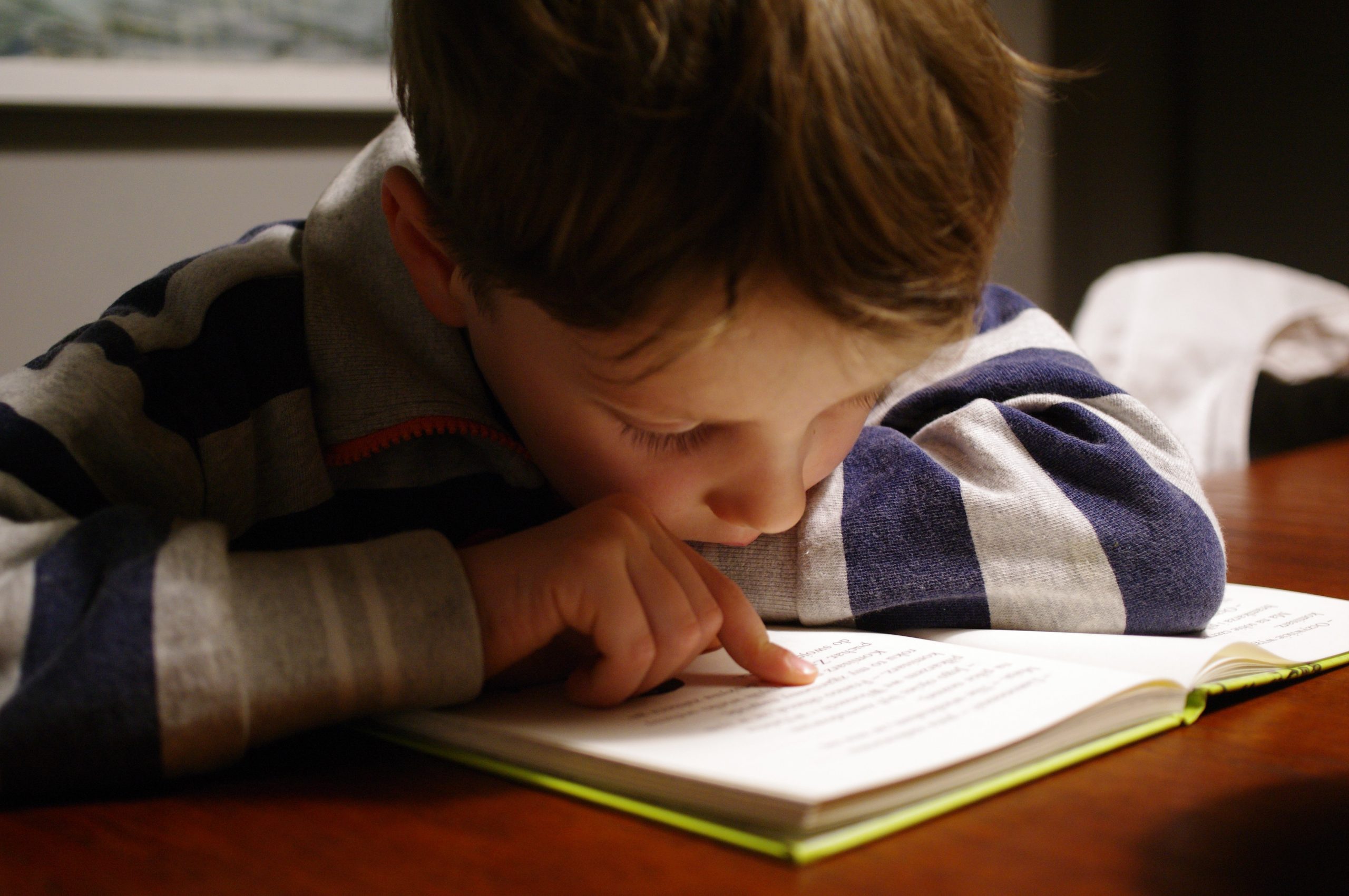
Make sure you read the question properly... twice! Underline any key command words.

If you can't do the question – don’t sit there for ages trying. Go on to the next question and come back to it at the end if you have time.
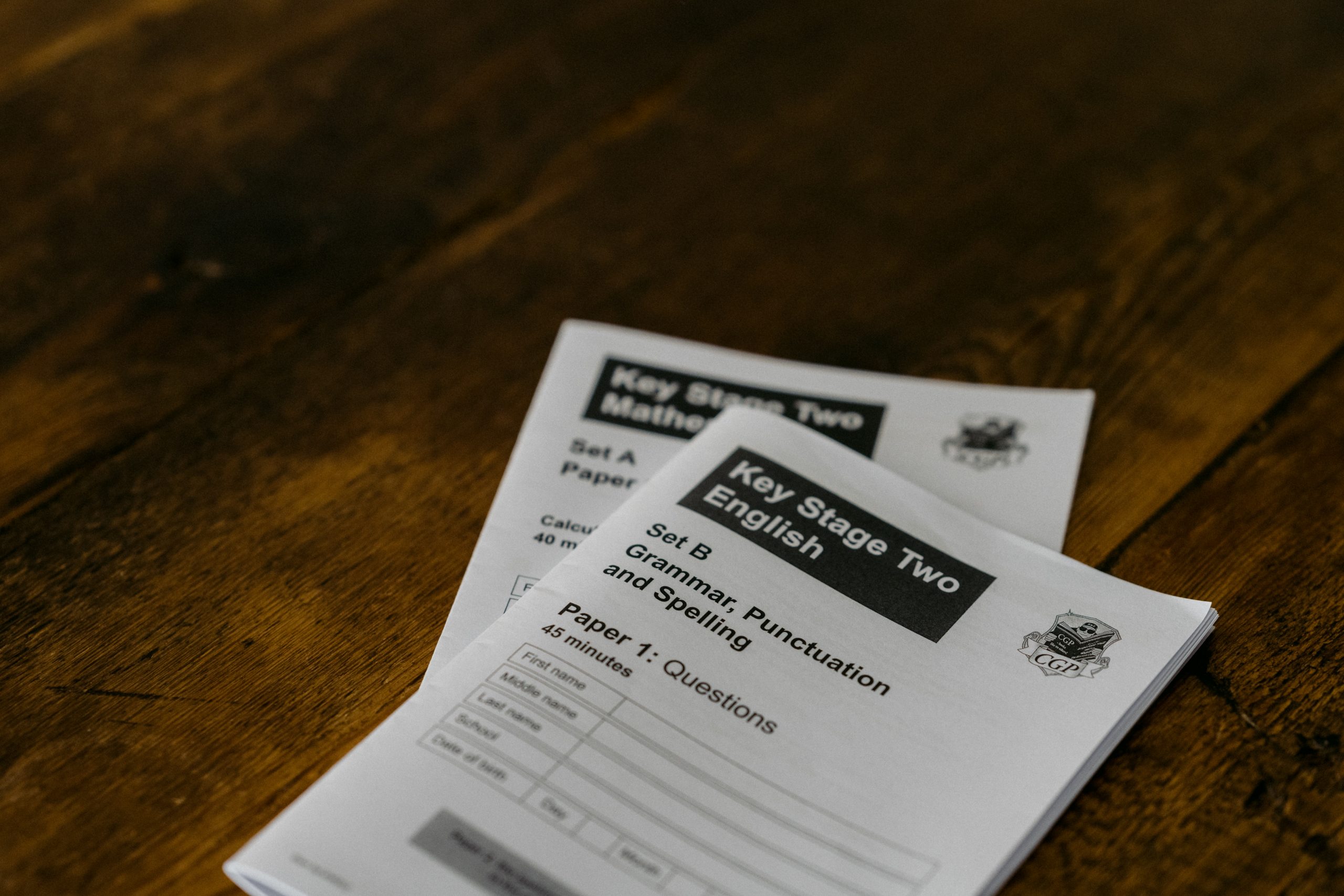
Double check through the pages to make sure you haven't missed out any questions and make sure you check the back page!

Go back and try any questions you didn't complete. Remember it's better to have an educated guess than to leave it blank!
Finally, don't forget to put your name on the paper! Best of luck!
These are some of the best tips to get your child started with exam practice. However, if your child needs to develop their confidence in a subject while also having the opportunity to work on their social skills and academic performance at the same time, we can help!
Contact us for more information on our KS3 classes.